Roborock Saros 20: What 3.46 Inches of Climb Buys
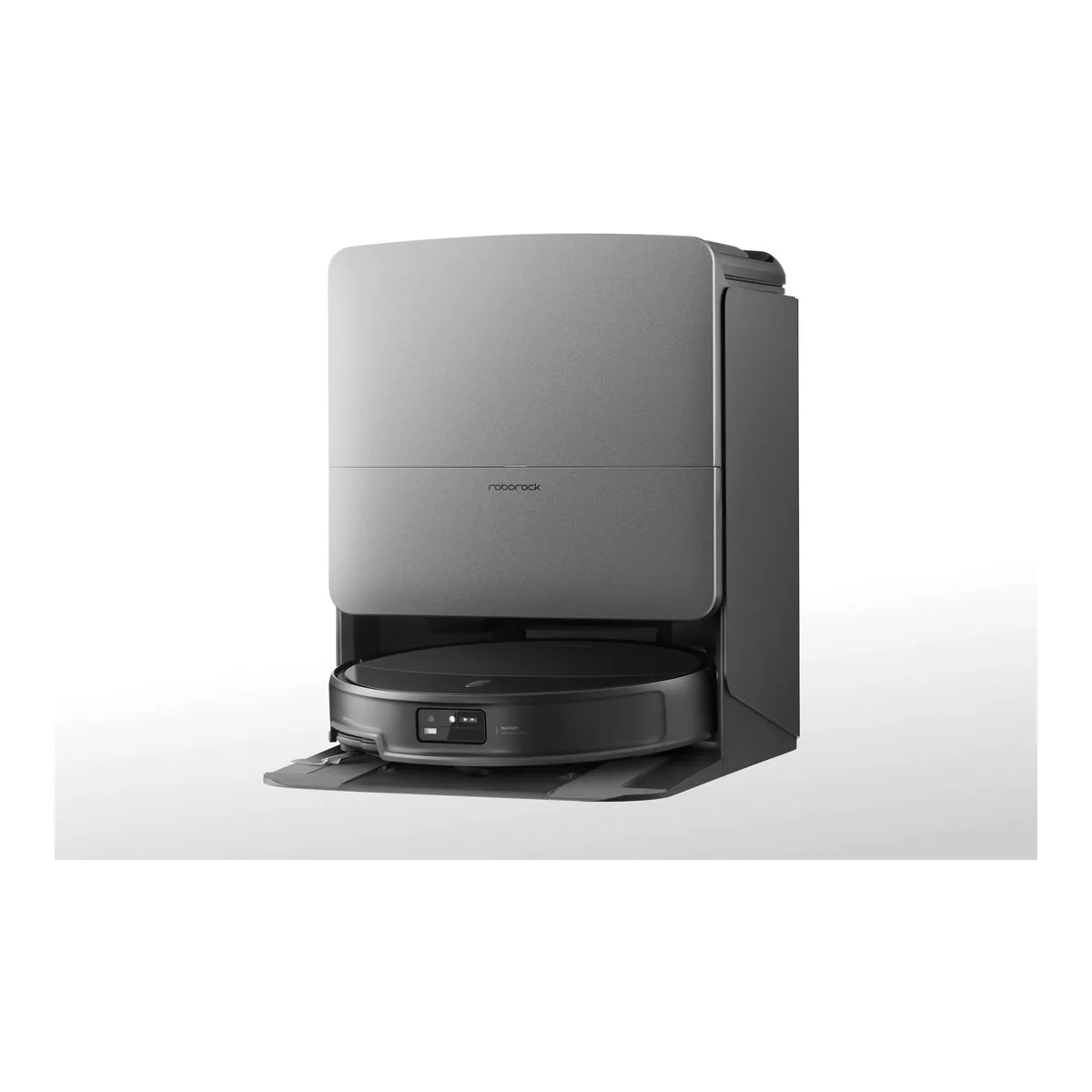
The chassis that lifts and lowers itself is the actual reason to pay flagship money here, not the suction figure on the box. It solves the specific homes that beat every cheaper robot vacuum.
- 36,000 Pa suction
- AdaptiLift Chassis 3.0 climbs a 3.46 in threshold and drops to 3.13 in under furniture
- StarSight Autonomous System 2.0 recognizes 300+ obstacle types
- Dynamic carpet cleaning up to 1.18 in pile height
Most robot vacuum comparisons come down to suction, and the Roborock Saros 20's 36,000 Pa figure is the highest of any machine in this lineup by a wide margin. That number is not actually the reason to spend flagship money on it. The reason is a chassis that changes its own height depending on what is underneath it, which fixes the two problems that end most robot vacuums' usefulness in a real home: the threshold it cannot cross and the couch it cannot get under.
What the Roborock Saros 20 does that a cheaper robot vacuum cannot
Roborock calls it AdaptiLift Chassis 3.0, and the mechanism has two settings. Facing a raised threshold, a climbing arm and a set of auxiliary wheels lift the chassis to clear a double-layer obstacle up to 3.46 inches combined, according to the manufacturer's own published breakdown of 1.77 and 1.69 inches for the two steps. Facing low furniture instead, the same chassis drops to a 3.13 inch clearance to chase dust bunnies that every taller robot vacuum on this list has to leave behind. Neither setting is a marketing number with no mechanism behind it, either. Roborock publishes the two figures separately, with a diagram showing the climbing arm and the main wheels working together, a level of documented detail the company does not extend to the mop system or the obstacle sensor.
Does the mop keep up with the suction
Yes, on the numbers Roborock has published. Dual spinning mops run at 200 RPM and apply 8 newtons of downward pressure for ordinary cleaning, rising to 13 newtons when the robot's own sensors flag a tougher stain, plus dynamic cleaning that adapts to carpet up to 1.18 inches of pile height. The dock matches that ambition: a hot-water self-cleaning cycle at 212 degrees Fahrenheit and warm-air drying at 131 degrees, so a used mop pad is not sitting damp between runs.
What obstacle avoidance actually catches
StarSight Autonomous System 2.0 is Roborock's name for the sensor suite here, and the company claims it recognizes more than 300 distinct obstacle types. We have not tested that claim ourselves and have not found an independent lab result that quantifies it precisely, so treat the number as the manufacturer's own figure rather than a verified count. What independent reviewers have confirmed hands-on is the edge and corner coverage: Android Authority called it the best robot vacuum they had tested for cleaning right up against a wall, attributing it to the FlexiArm extension shared across Roborock's higher tiers.
How loud is a machine built around a moving chassis
Quieter than the mechanism suggests it should be. Tom's Guide's reviewer described it as quiet enough to continue a phone call nearby without the other person noticing, and noted their unit finished a full cleaning pass in roughly 38 minutes against the 45 to 55 minutes they see from most competing robots, though that figure reflects one reviewer's specific floor plan rather than a lab-standardized runtime test.
Who this is actually for
A home with a raised threshold between rooms, a bed frame or couch with real clearance underneath, or both. That is a specific and common floor plan, and it is the one every other robot vacuum in this category simply cannot reach. If your home has neither, the chassis mechanism this page is built around does nothing for you, and the Qrevo 2 Pro gets you most of the same dock convenience for meaningfully less machine.
Skip it, too, if price outranks capability, because every independent review we read landed on exactly one criticism of this machine, the price, and none of them found a performance complaint worth printing instead.
What we have not verified
Battery capacity, an independently measured runtime in minutes, and a verified count behind the "300+ obstacle types" claim are not things we can confirm from the manufacturer's page or the reviews we read. Everything else above traces to Roborock's own published specifications and the live Amazon listing for this exact ASIN, checked the same day this page went up. It sits alongside two other verified picks in the full self-emptying robot vacuum lineup.
Made up your mind?