Best Protein Baked Goods: 5 Picks and the Fine Print
Five protein baked goods compared on protein, added sugar and what the label actually says, from a 20 g pastry to a cookie whose serving is half of it.
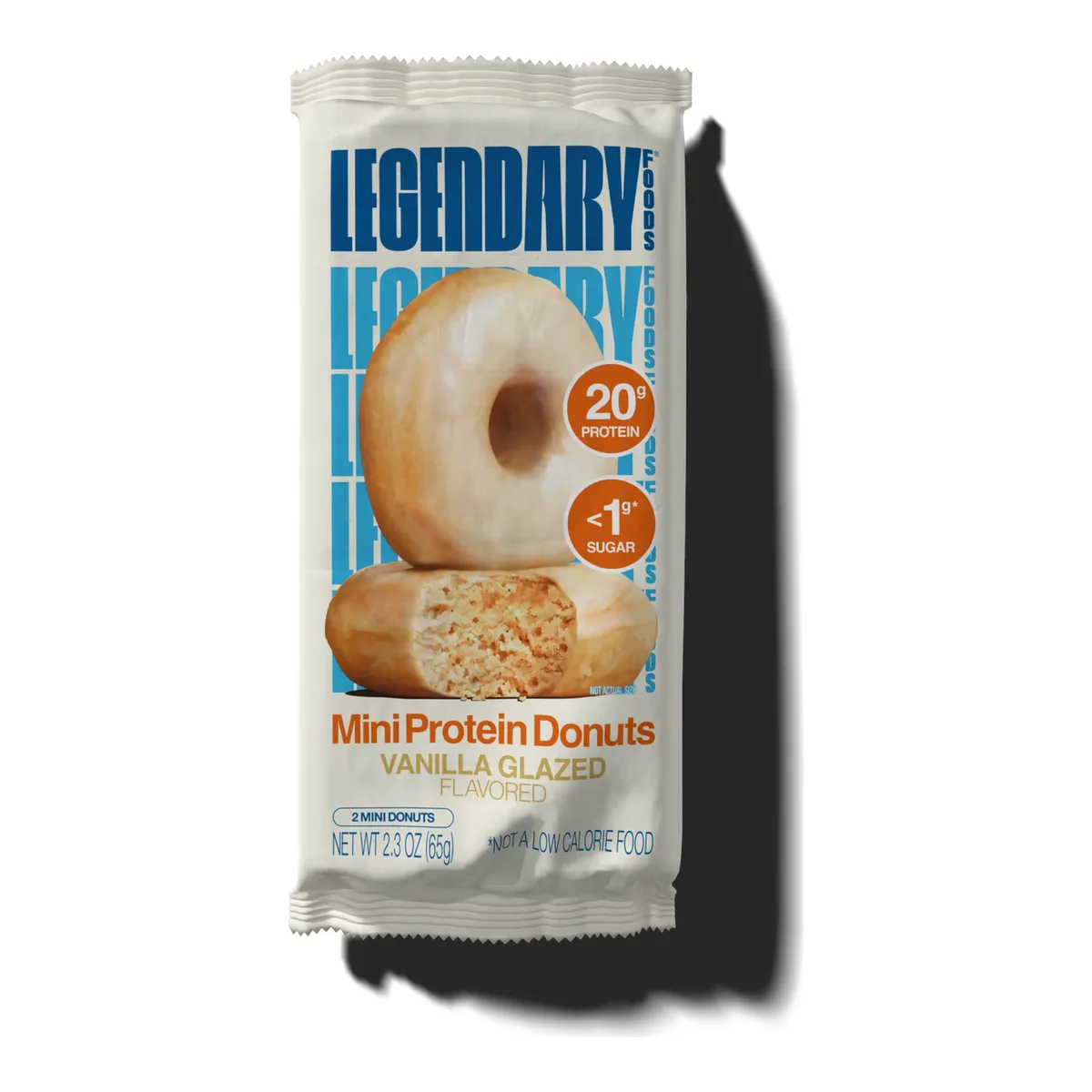
20 g of protein and under 1 g of sugar in two mini cake donuts, and it warms in about ten seconds.
- 20g of protein per pack
- Less than 1g of sugar
- Low net carbs
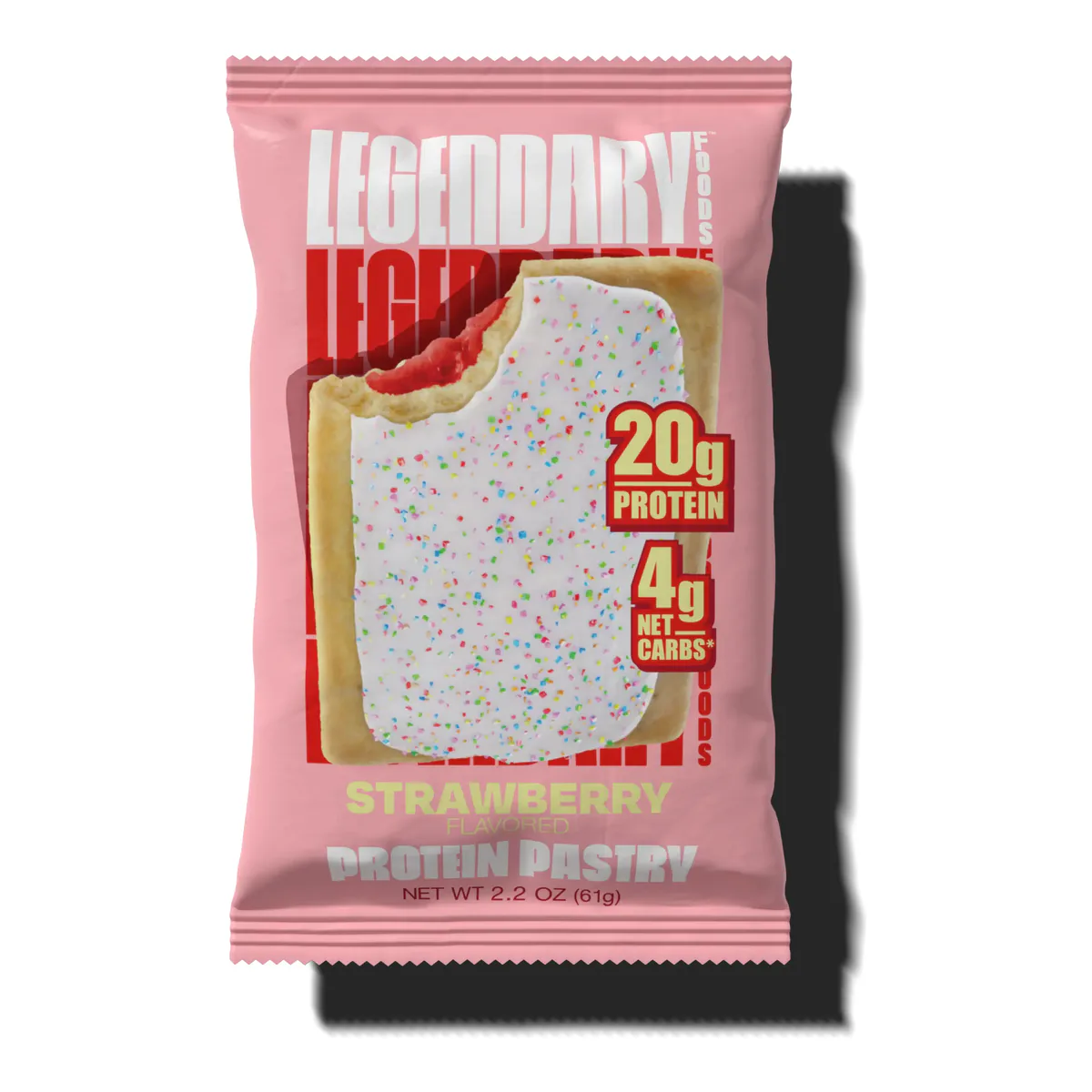
Protein Pastry
20 g of protein, 4 g net carbs and 9 g of fiber in one 2.2 oz pastry, though the texture is cake rather than crust.
- 20g of protein per pastry
- Under 1g of sugar
- 4g net carbs and 9g fiber
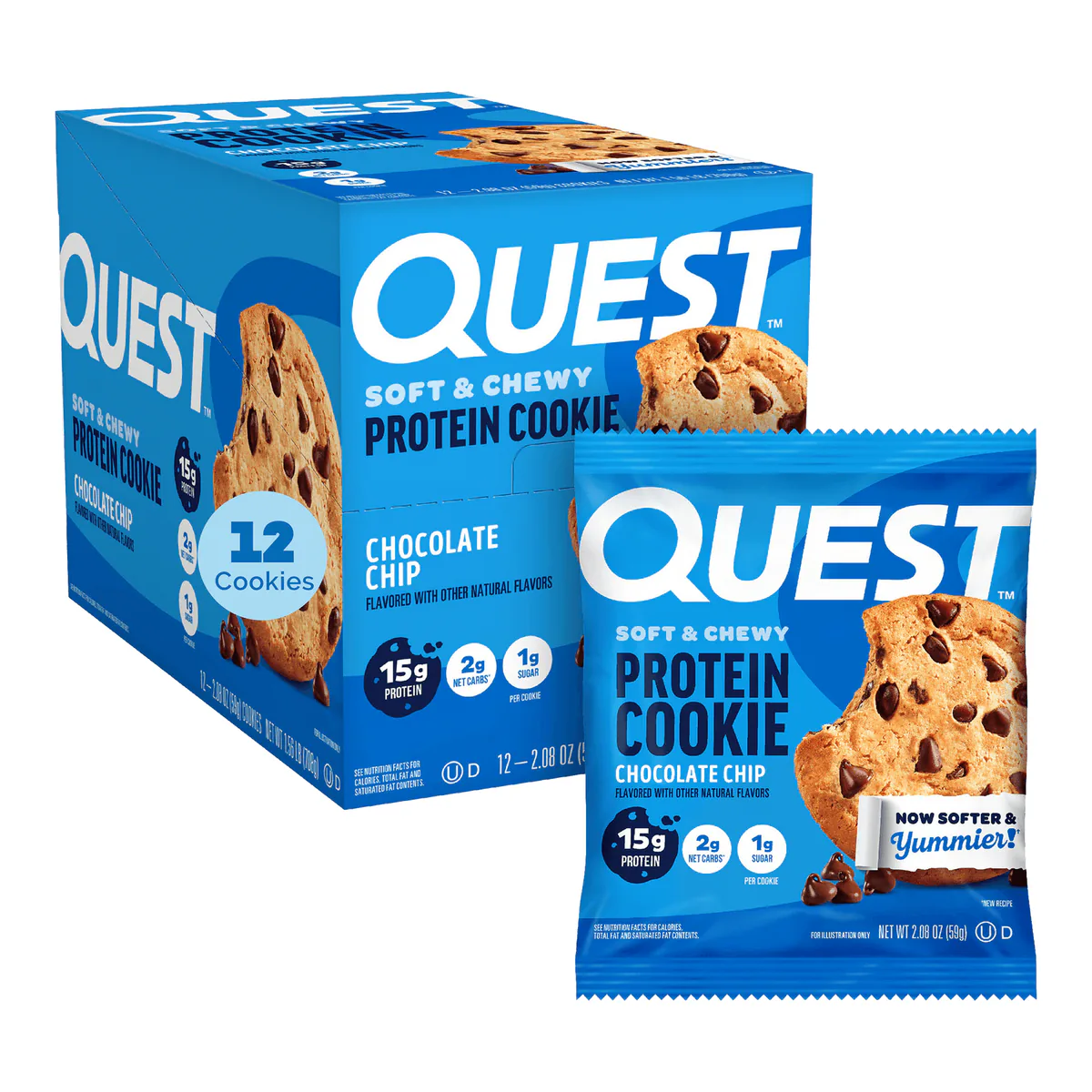
Soft & Chewy Protein Cookie, Chocolate Chip
15 g of protein and 1 g of sugar, unbothered by a week in a bag, at the cost of 10 g of saturated fat.
- 15g of protein per cookie
- 1g of sugar, none of it added
- 2g net carbs and 9g fiber
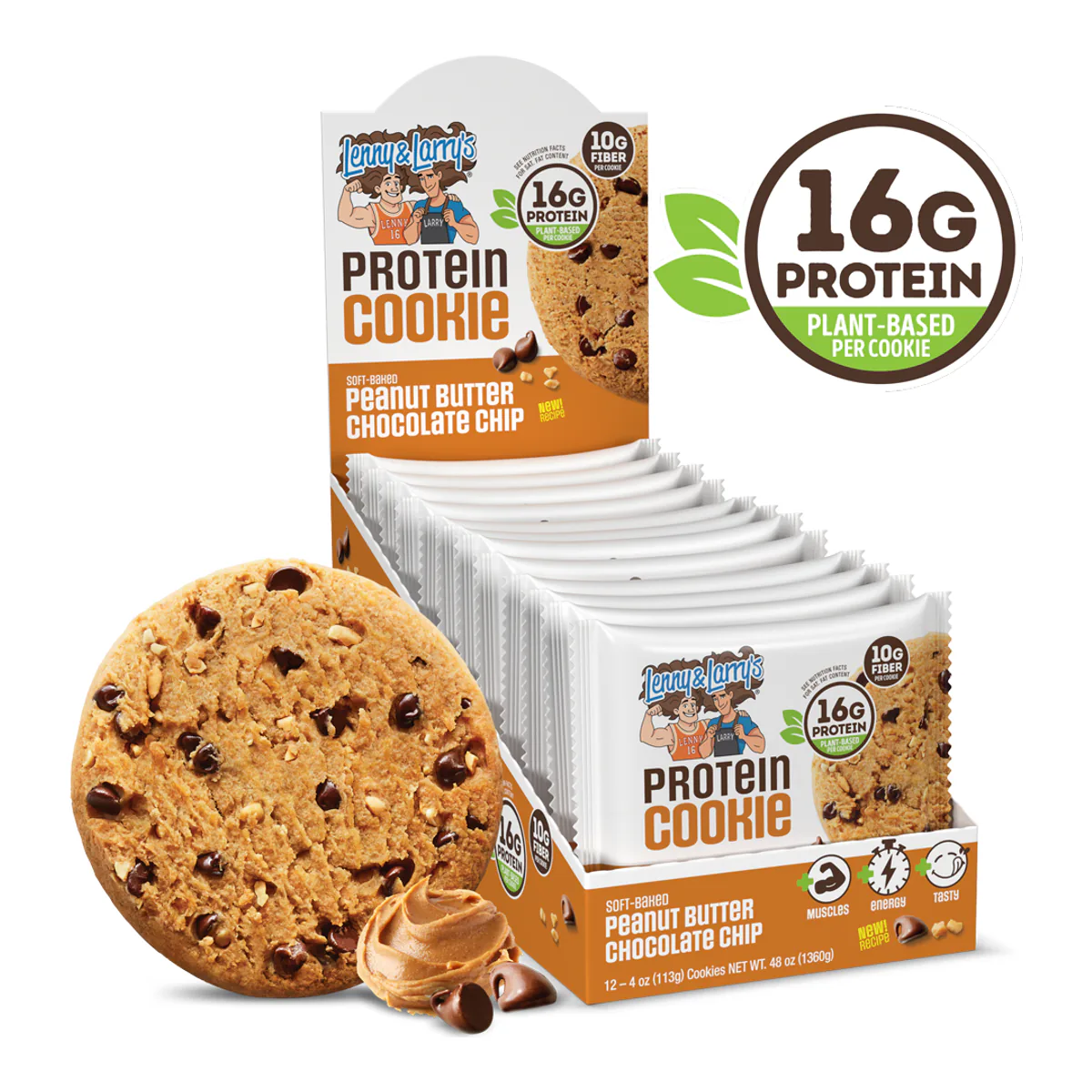
Protein Cookie, Peanut Butter Chocolate Chip
16 g of plant protein in a genuinely large cookie, with 20 g of added sugar and a serving size of half of it.
- 16g of plant protein per whole cookie
- 10g of fiber per whole cookie
- Certified vegan, Non-GMO Project Verified and kosher
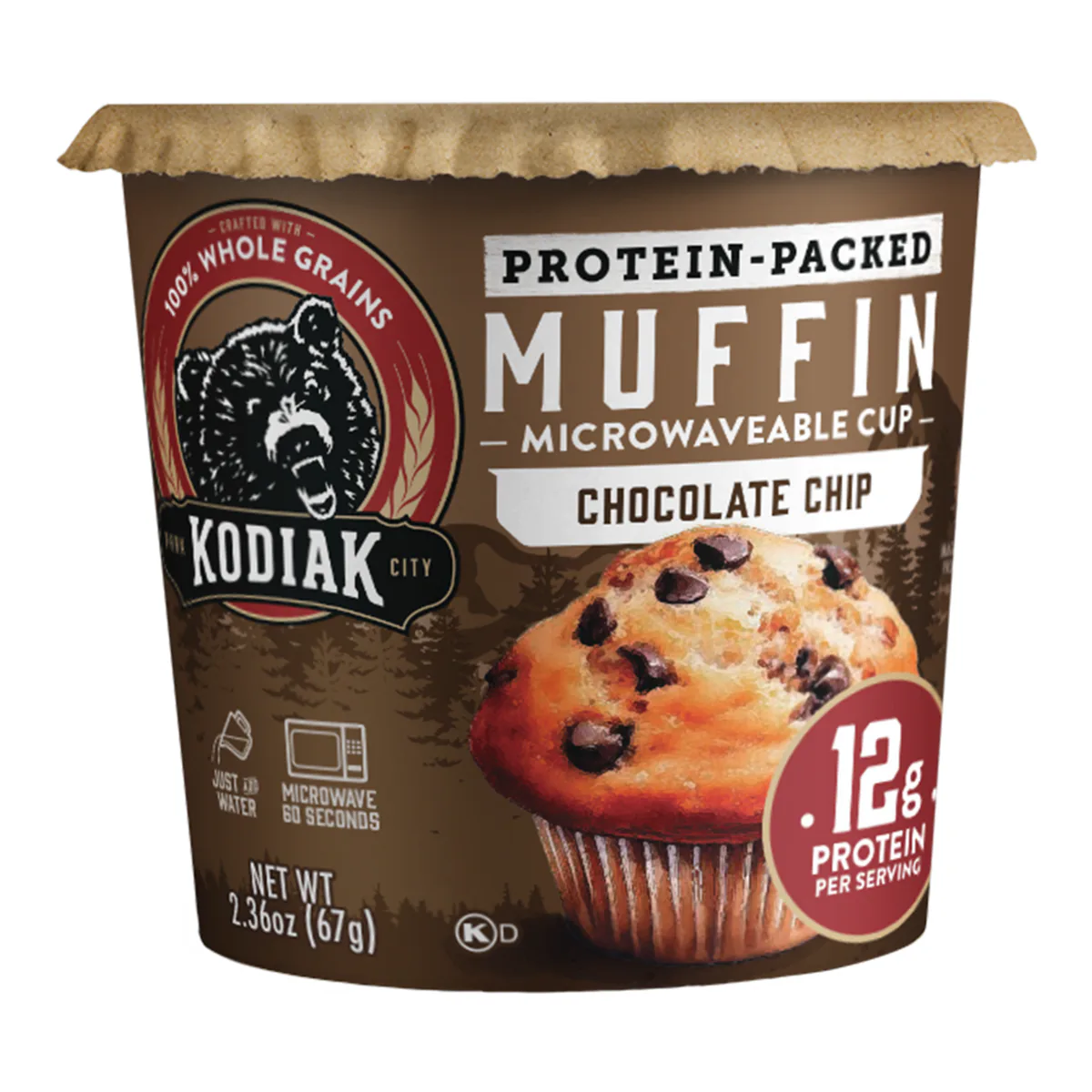
Chocolate Chip Minute Muffin Cup
12 g of protein from whole grain flour rather than isolate, ready in a minute, if you do not mind stirring.
- 12g of protein per cup, 14g if you mix it with milk
- 100 percent whole grain wheat and oat flour
- 4g of fiber
Turn a Lenny & Larry's wrapper over and the serving size is half a cookie. The front of the pack says 16 g of plant protein. The panel on the back says 8 g per serving, two servings per cookie, and a whole one comes to 480 calories with 20 g of added sugar. Both numbers are true. Only one of them is printed large.
That is the shape of the whole shelf. Protein baked goods are sold on a single figure on the front of the wrapper, and the figure that decides whether the thing fits your day is somewhere else entirely: the sugar, the saturated fat, or a serving size that is not the unit anybody eats. Two of the five picks below are protein cookies, one is a protein pastry, one is a donut, and one is a muffin you make yourself in a microwave. All five are sold as high protein snacks and they behave nothing alike once the panels sit side by side.
What this ranking is built on
Five manufacturer nutrition panels, five live listings checked the same day, and a named independent write-up for each. Two of those panels are published only as label images, so they were downloaded and read directly instead of taken from a retailer's summary.
That is the step that earned this page. It is how the Kodiak calorie count and the Lenny & Larry's serving size turned up, and both differ from what the brand's own marketing copy says. Where a manufacturer contradicts its own label, the label wins.
| Pick | Protein | Sugar | Format | Allergens |
|---|---|---|---|---|
| Legendary Protein Donuts | 20 g per pack | Under 1 g | Two mini donuts, warm 10 s | Gluten free |
| Legendary Protein Pastry | 20 g per pastry | Under 1 g | One 2.2 oz pastry, warm 10 s | Gluten free |
| Quest Protein Cookie | 15 g per cookie | 1 g, none added | One 2.08 oz cookie | Milk, soy |
| Lenny & Larry's Protein Cookie | 16 g per whole cookie | 20 g, all added | One 4 oz cookie, 2 servings | Wheat, peanut |
| Kodiak Minute Muffin Cup | 12 g per cup | 15 g, 14 g added | One 2.36 oz cup you microwave | Milk, wheat |
Legendary's protein donuts are the pick that reads as dessert
Two soft cake donuts to a pack, 20 g of protein, under a gram of sugar, and about ten seconds in a microwave to bring the glaze back. Nothing else on this page delivers a recognizable dessert shape at that sugar figure. We went through the donuts in detail on their own page, including what the four flavors do differently.
Skip it if you want something that eats like a bakery donut, because the crumb is denser and drier than the real thing, which is the trade every keto sweetener blend makes and no amount of microwaving fixes.
The protein pastry packs the most protein per wrapper
Legendary's protein pastry is the same formula in a toaster pastry shape: 20 g of protein, 4 g net carbs, 9 g of fiber and 180 calories in a single 2.2 oz pack. The brand does its own arithmetic on the product page and lands at 44 percent of calories coming from protein, which is the highest ratio here by a wide margin. Six flavors ship with the identical panel, so the choice between strawberry and brown sugar cinnamon is a flavor preference and nothing more.
The one honest reservation is texture. An independent reviewer who ate three flavors called it a denser, cake-like version of a toaster pastry. Flavor accuracy scored high in that write-up and texture scored lowest of every category. The same reviewer got a better result at about twenty seconds in a microwave than at the ten the package suggests.
Skip it if you were hoping for flaky. This is cake with icing on it.
Quest's cookie is built for a drawer, not a plate
Shelf stable, individually wrapped, and completely indifferent to a week in a gym bag. Quest gets 15 g of protein into a 2.08 oz cookie with 1 g of sugar and none of it added, using a milk and whey isolate blend sweetened with erythritol, sucralose and stevia. That combination is why it survives storage and also why some people taste it immediately.
Here is the number the front of the box does not lead with: one cookie carries 17 g of fat, and 10 g of that is saturated. Half a day's value, in a snack you might eat standing up. That is not a reason to avoid it, but it is a reason to stop treating it as interchangeable with the pastry, which has the same protein at a fraction of the fat. Quest's own allergen line reads milk and soy, which is worth checking against whichever listing you land on, because at least one Amazon page for a Quest cookie claims soy free.
Skip it if you dislike sugar alcohols. Nine grams of fiber and a sweetener blend in one sitting is a real digestive ask.
What Lenny & Larry's gets right, and what the panel costs it
This is the only plant protein pick here, and it is the only one that tastes like an actual bakery cookie, because it is one. Vital wheat gluten, pea protein and rice protein get it to 16 g, it is certified vegan and Non-GMO Project Verified, and there are no sugar alcohols anywhere in it. It is also enormous. A 4 oz cookie is roughly twice the size of the Quest one.
Which brings back the panel. The label runs two columns, one per half cookie and one per whole cookie, and the front of the pack quotes the whole-cookie protein while the serving size is the half. Eat the thing the way it is obviously meant to be eaten and you have had 480 calories, 20 g of added sugar and 10 g of fiber. Every one of those numbers is on the label. None of them is on the front.
Skip it if you are counting calories closely, or if peanuts are a problem. Split across two sittings it is a reasonable snack; eaten in one, it is dessert with a protein claim attached.
Kodiak's muffin cup is the only one you have to cook
A quarter cup of water, a thorough stir, sixty seconds on high. What comes out is a real muffin, and the protein comes from 100 percent whole grain wheat and oat flour plus whey and milk protein concentrate rather than from an isolate dropped into a low carb base. That is a different eating experience from everything above it, and for a lot of people a more satisfying one. Swap the water for milk and the panel gains two more grams of protein for no extra work.
It is also the lowest protein pick here at 12 g, and the sugar is real: 15 g total with 14 g added. Kodiak documents its own failure mode, which is the detail nobody else publishes. Leave dry powder in the bottom of the cup and, in the brand's own words, part of it comes out chalky. Stir it properly.
Skip it if you need something you can eat in a car. This one needs a microwave and thirty seconds of attention.
What to look for in protein baked goods
Read the serving size before the protein number. It is the single fastest way to tell a real 20 g snack from a 20 g claim spread across a package you will finish in one sitting, and it is the trick this whole category runs on.
Then look at where the sugar sits. There are two families on this shelf and they barely compete. One replaces sugar with erythritol or allulose and lands under a gram, which buys a low carb panel and costs you texture and, for some people, a rough afternoon. The other uses cane sugar and invert sugar and tastes like baking, which is exactly why the added sugar climbs into the twenties. Neither is wrong. Knowing which one you are buying before you open the box is the entire point.
Fat is the axis nobody checks. Protein cookies in particular carry more of it than the front panel suggests, because fat is what keeps a low sugar cookie from tasting like chalk, and saturated fat is where that shows up.
Last, decide whether you want shelf stability or texture, because you are not getting both. The wrapped, ambient picks here travel anywhere and taste processed. The one you cook tastes closest to real and cannot leave the house.
Skip all five when the alternative is real food
Nothing here competes with eggs or a carton of yogurt on protein per calorie, so these five earn their place against a bakery donut or a vending machine rather than against breakfast.
Two other groups should close the tab. Anyone avoiding sugar alcohols loses three picks immediately, which leaves the Lenny & Larry's cookie and the Kodiak cup and their real sugar, and anyone shopping for a household with a nut allergy should treat the peanut cookie as off the list rather than a flavor choice.
If protein comfort food is the actual goal, the same brand's protein mac and cheese solves a different problem better, and the rest of the protein baked goods shelf is where new picks land as we verify them.