Best Protein Pasta: Four Boxes, Four Different Foods
Compare four protein pasta picks on what they are made of and what a standard 2 oz serving really delivers, from a 3 g upgrade to 47 g in a cup.
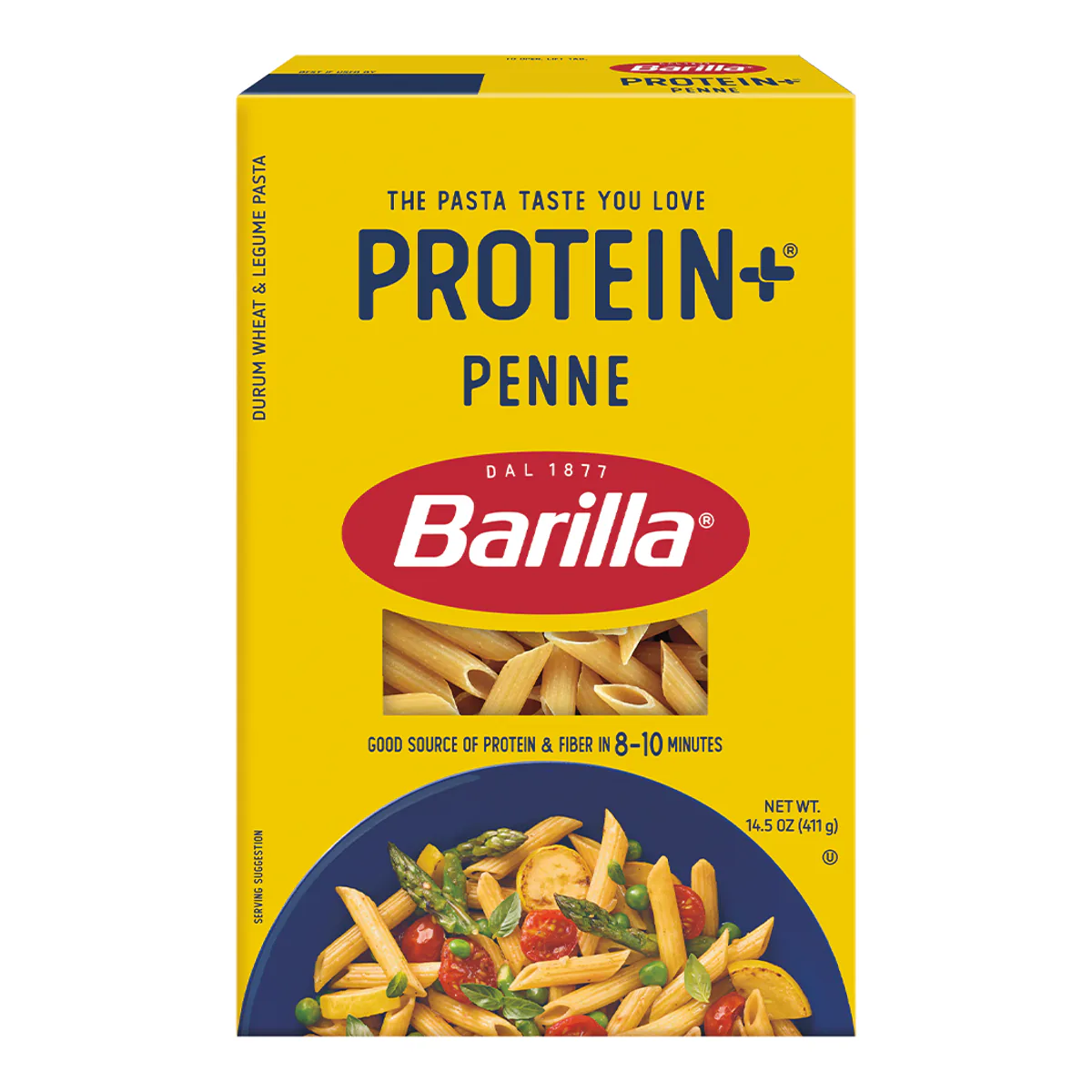
Protein+ Penne
The only pick still made of wheat, and the only one nobody at the table will ask about. It also gains the least.
- 17g of protein per 3.5 oz serving, as Barilla states it
- Good source of protein and fiber
- Made with durum wheat and protein from lentils, chickpeas and peas
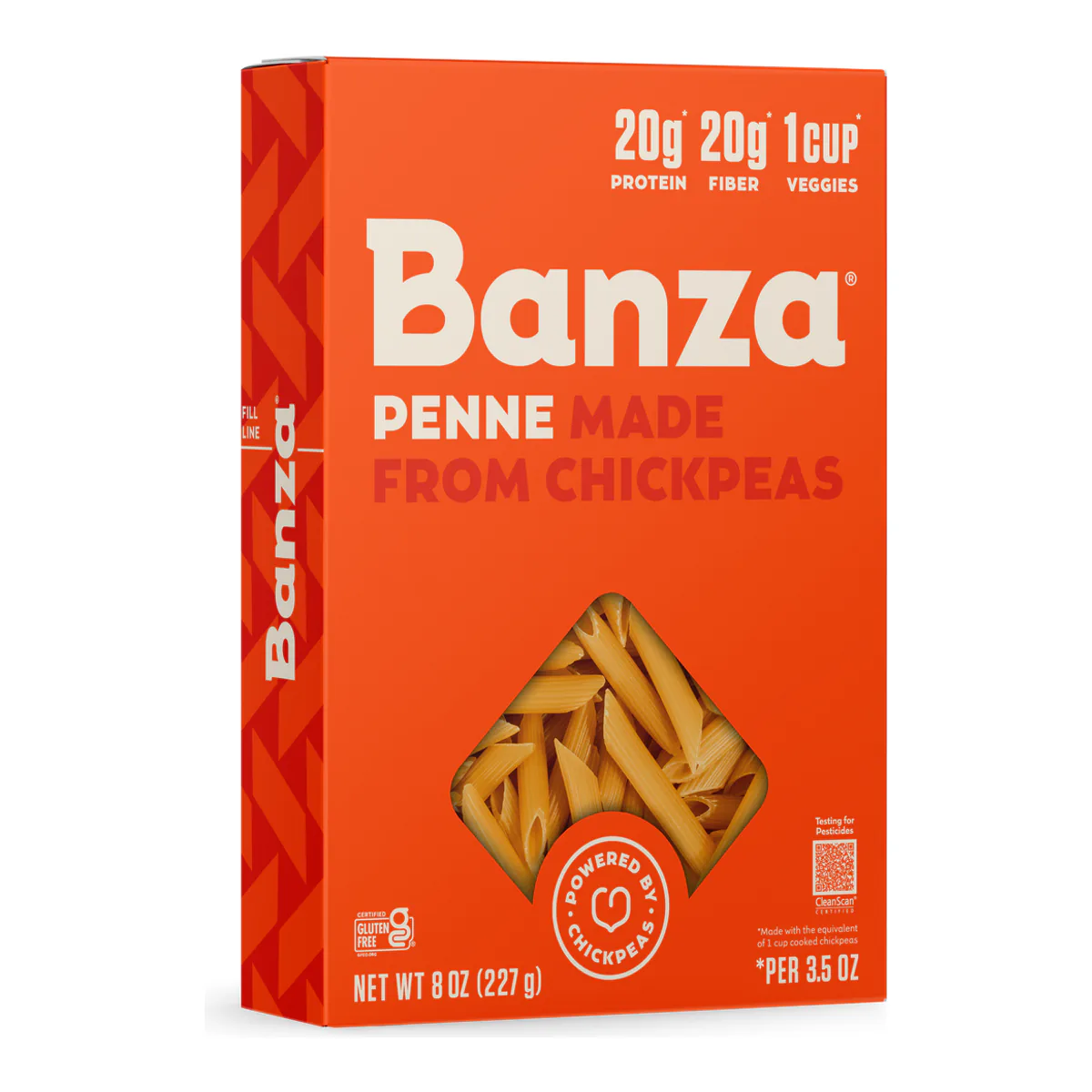
Chickpea Penne
11 g of protein and 11 g of fiber in a 2 oz serving, at 39 percent of a day's fiber. Goes from al dente to mush fast.
- 11g of protein per 2 oz dry serving
- 20g of protein per 3.5 oz, the figure on the front of the box
- 11g of fiber per 2 oz serving, 39 percent of the daily value
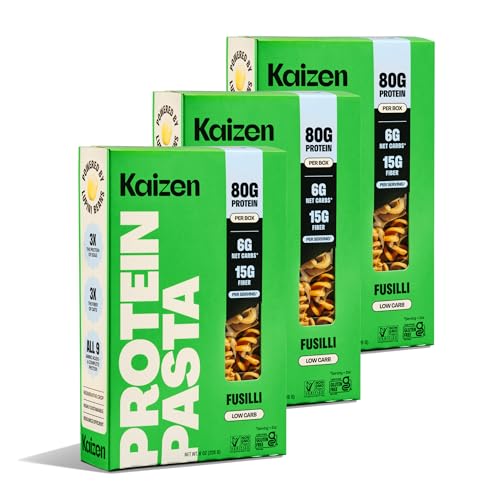
Low Carb Fusilli
20 g of protein and 6 g of net carbs on the same 2 oz basis its panel declares. Carries lupini, which is in the peanut family.
- 20g of protein per 2 oz dry serving
- 15g of fiber per serving
- 6g of net carbs per serving
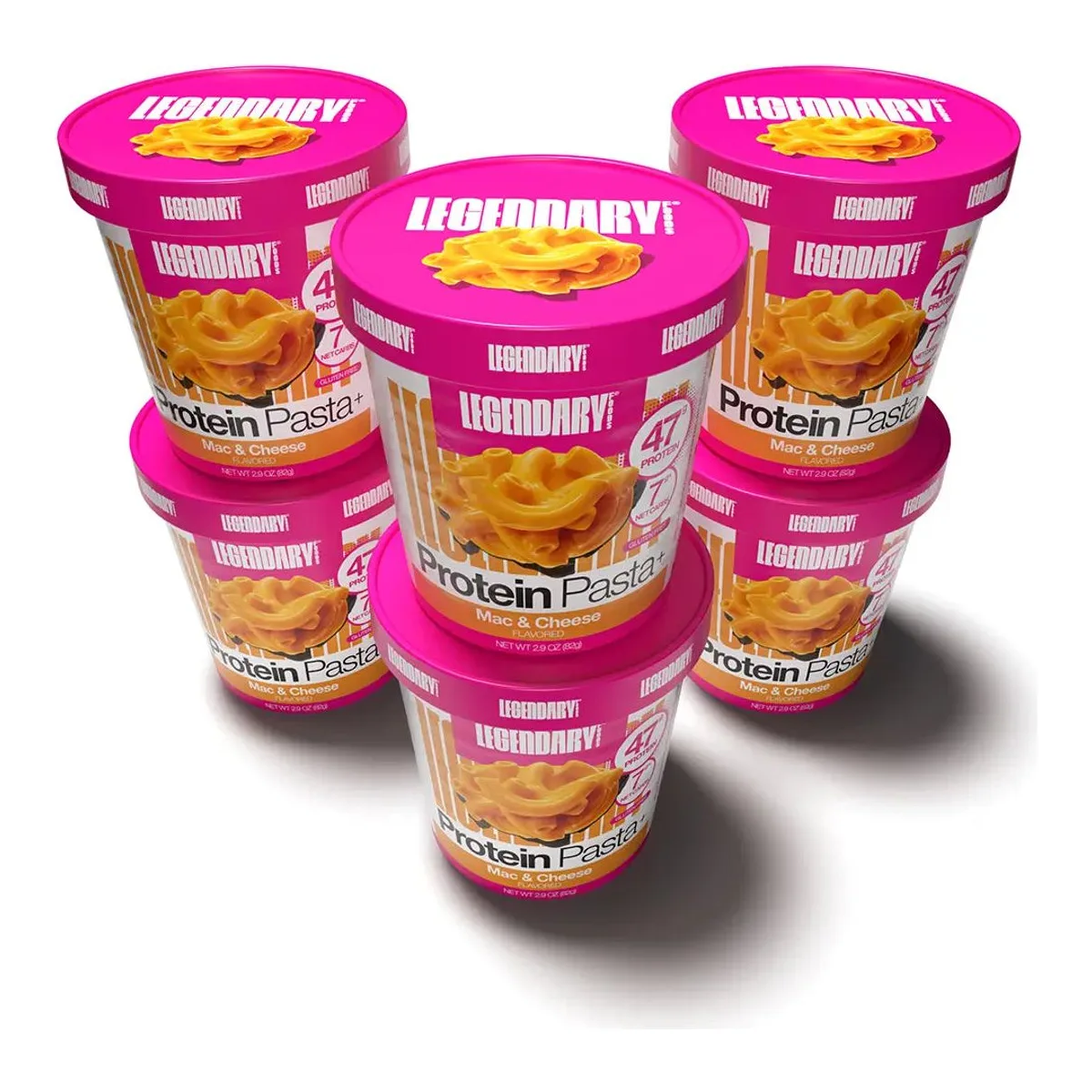
47 g of protein per cup, because there is no flour in it at all. Nearer a protein shake in a macaroni shape than pasta.
- 47g of protein per cup
- 7g of net carbs per cup
- 290 calories and 10g of fiber per cup
Four boxes, four completely different foods. That is the part no label explains about protein pasta: one of these is wheat pasta with legume flour blended into the semolina, one is ground chickpeas, one is lupini beans, and the fourth contains no flour of any kind.
They cook differently too, anywhere from four minutes to ten. So the useful question is not which box prints the biggest number. It is which of these four foods you want in the bowl, because the protein follows from that and not the other way around.
One number goes before the picks because it changes how you read every box on the shelf. Ordinary semolina pasta already carries about 7 g of protein in a 2 oz dry serving, a figure Kaizen prints on its own comparison chart. A high protein pasta at 10 g is therefore a 3 g upgrade, and a chickpea pasta at 11 g is a 4 g one. Only one boxed pasta here clears double the baseline, and it is the one built on lupini instead of semolina.
What this ranking is built on
Four manufacturer nutrition panels, four live listings checked the same day, and a named independent test for each. Two of those panels are published only as label images, so they were downloaded and read pixel by pixel rather than lifted from a retailer's summary, which is the only reason the numbers below are right.
The panels then turned out to disagree about what a serving is, which became the whole story. Banza quotes protein per 3.5 oz and Barilla does the same. Kaizen quotes 80 g per box. Legendary quotes per cup. Every figure below is normalized to a 2 oz dry serving, the standard basis on a US pasta label, because otherwise the four numbers compare nothing. Garage Gym Reviews standardized the same way in its own testing and landed on identical values for the two brands we both cover.
| Pick | Made from | Protein per 2 oz dry | Front of box says |
|---|---|---|---|
| Barilla Protein+ | Wheat plus legume protein | 10 g | No number, "good source" |
| Banza | Ground chickpeas | 11 g | 20 g, per 3.5 oz |
| Kaizen | Lupini beans | 20 g | 80 g, per box |
| Legendary | Dairy protein, no flour | 47 g per 2.9 oz cup | 47 g, per cup |
Barilla Protein+ is the one nobody at the table asks about
It is still wheat pasta. Durum semolina with protein from lentils, chickpeas and peas worked into it, penne shape, eight to ten minutes, and Garage Gym Reviews put it first for taste with the note that you barely notice the difference from traditional pasta. That is the whole case for it and it is a good one, because the failure mode in this category is a box nobody finishes.
Look at what Barilla does on the front of the box, though. There is no gram count anywhere on it, just "good source of protein and fiber". That is a regulated phrase with a lower bar than a number, and Barilla is the only brand here using it. The reason shows up once you normalize: 10 g against the 7 g already in the blue box.
Skip it if you are buying for the protein rather than for dinner, and skip it if gluten is the issue, since this is the one pick with wheat in it.
Banza's real advantage is the fiber, not the protein
Its panel runs two columns, and the front of the box quotes the right-hand one. "20g PROTEIN, 20g FIBER" sits in large type on the face, with an asterisk resolving to "per 3.5 oz" in the smallest print on the opposite corner. The declared serving on the back is 2 oz, where the same pasta delivers 11 g of protein. Banza prints both, and both are true.
The fiber is the number that actually earns the swap. Eleven grams in a 2 oz serving is 39 percent of a day's worth, which is a far bigger move in proportional terms than anything happening with the protein. It is also where the chickpea taste comes from. Sporked's taste test scored the rotini 7.5 out of 10 and summarized the flavor as nutty and savory with a slightly cardboardy funk that, once sauced, "absolutely disappears".
Skip it if you cook distractedly. Garage Gym Reviews warns how fast it turns from al dente to mush, and Banza's own instruction is to start tasting before the timer is up.
Where does Kaizen get twice the protein?
Lupini beans. The flour is lupini with fava bean protein, tapioca starch and xanthan gum, no grain at all, and that base is what puts 20 g of protein and 15 g of fiber into a 2 oz serving at 6 g of net carbs. As a low carb pasta it is a genuine outlier rather than a marketing position, and it cooks in four to six minutes, the shortest of the three boxes here.
Kaizen is also the only brand on this page whose headline number and declared serving sit on the same basis. The 80 g on the front is labeled "per box", the serving footnote says 2 oz, and the arithmetic between them is honest. After reading three other boxes that is worth saying out loud.
There is a real catch and it has nothing to do with nutrition. Lupini is in the same plant family as peanuts, and between 5 and 28 percent of people with a peanut allergy react to it, per work published in Annals of Allergy, Asthma & Immunology. The FDA does not count lupin among its nine major allergens, so US labeling of it is voluntary, though the EU, Canada and Australia all require it. Kaizen declares it anyway, in plain words, which is more than the law asks.
Skip it if anyone in the house has a peanut allergy. Treat that as a hard stop rather than something to test at dinner.
Legendary's cup is not pasta, and that is the whole point
Read the ingredient list and there is no flour in it. Not semolina, not chickpea, not lupini. The macaroni shape is extruded from a dairy protein blend, cheddar cheese, corn starch, polydextrose, collagen peptides and dried egg whites, which is how one 2.9 oz cup reaches 47 g of protein, 7 g of net carbs and 10 g of fiber. Stack3d noted it nearly matches two scoops of whey protein powder, which is the fairest description available: a protein shake reshaped into comfort food.
It is also the only pick quoting protein per the unit anybody actually eats, which it can do precisely because it is not a bag of dry pasta with four servings in it. We wrote up the cup on its own page if you want the longer read on the mac and cheese.
Skip it if you want a bowl of pasta. As protein mac and cheese it does a job nothing else here does, and it does not taste like a box of Barilla.
What to look for in protein pasta
Check the serving basis before the protein number, every time. Four boxes here use four different ones, three of them disclosed only in footnote type, and converting everything to the same weight reorders the shelf.
Then settle what you want the pasta made of, because everything downstream follows from it. Wheat with legume protein blended in tastes closest to pasta and gains the least. Ground legumes buy a large fiber increase and a chickpea note you either enjoy or bury under sauce. A low carb pasta built on lupini moves the protein a long way, and on its ingredient list alone it is the furthest from the original. Protein extruded with no flour is a different food wearing a familiar shape.
Fiber deserves its own look, since it is usually the bigger change and almost never reaches the front of the box. Eleven grams in one serving shifts how a meal sits, which is the real argument for starting with a half portion.
What each one fits into
Sauce covers a lot. Sporked found the chickpea note that reads as odd on a plain forkful goes quiet once the rotini is sauced, so the bare butter treatment fits the Barilla and nothing else here. Nobody we read has tasted the Kaizen.
Banza wants its sauce added late, which its own page spells out, because the noodles keep absorbing while they sit. Barilla has the opposite habit. It behaves like ordinary pasta in a baked dish, and the dietitian review we used for taste flags reheated leftovers as its weak point. Kaizen's four to six minute cook is the shortest of the three boxes while asking the most attention, since two minutes of inattention is the entire margin.
The mac cup pairs with nothing, and does not have to. It is a cup.
For the sweet end of the same shelf, the protein baked goods picks run the same serving size arithmetic across cookies and pastries, and fresh picks land on the protein pasta and mac shelf as we verify them.