Portable Power Stations: How Much Capacity You Need
Four portable power stations compared by capacity, output and recharge time, from a 10 lb camping pick to a 2010Wh unit for backing up a fridge.
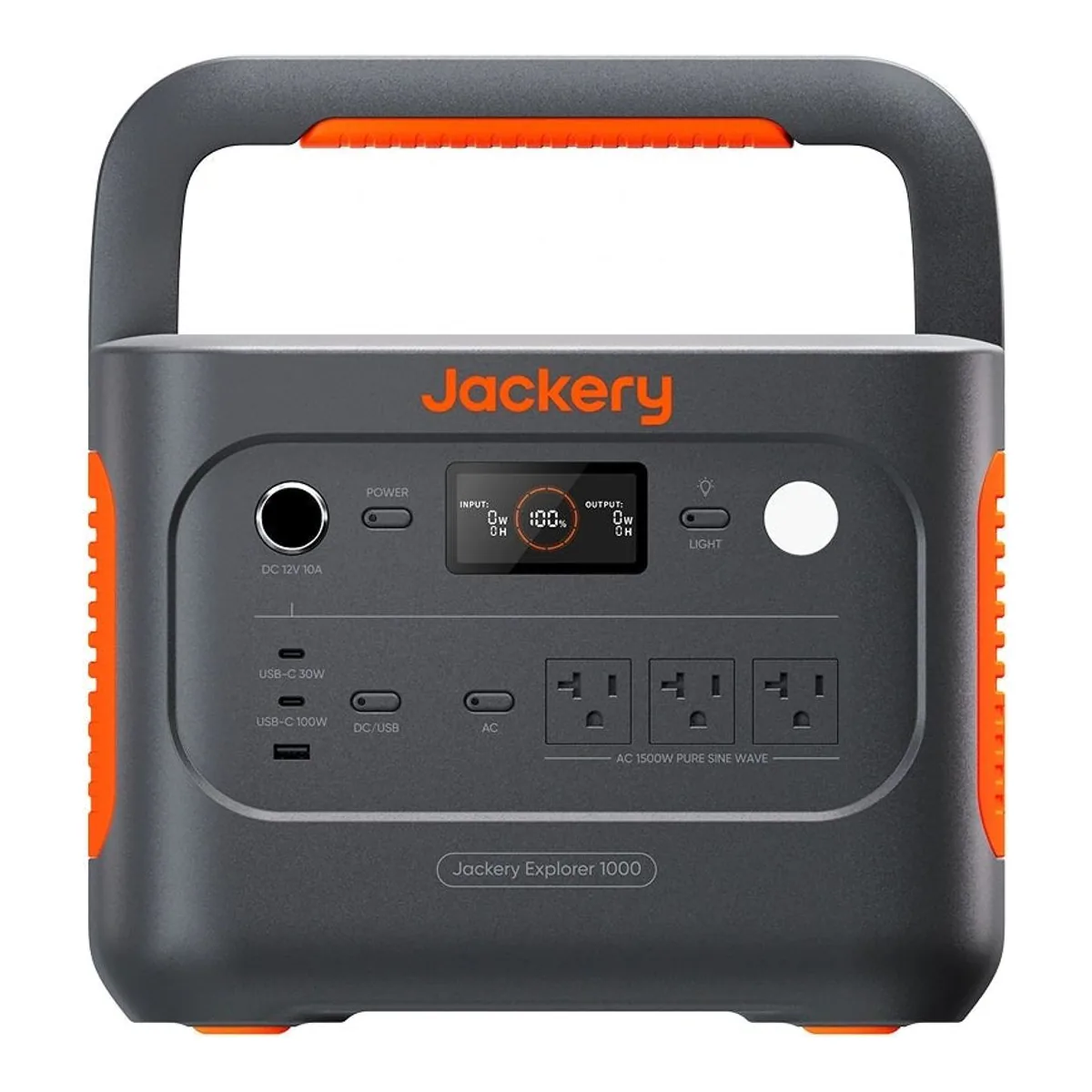
1070Wh, a 1.7 hour AC recharge and no learning curve, though the battery cannot expand later.
- 1500W continuous output, 3000W peak surge
- Recharges 0 to 100% in 1.7 hours via a standard AC wall outlet
- LiFePO4 battery rated for 4000 cycles to 70%+ capacity
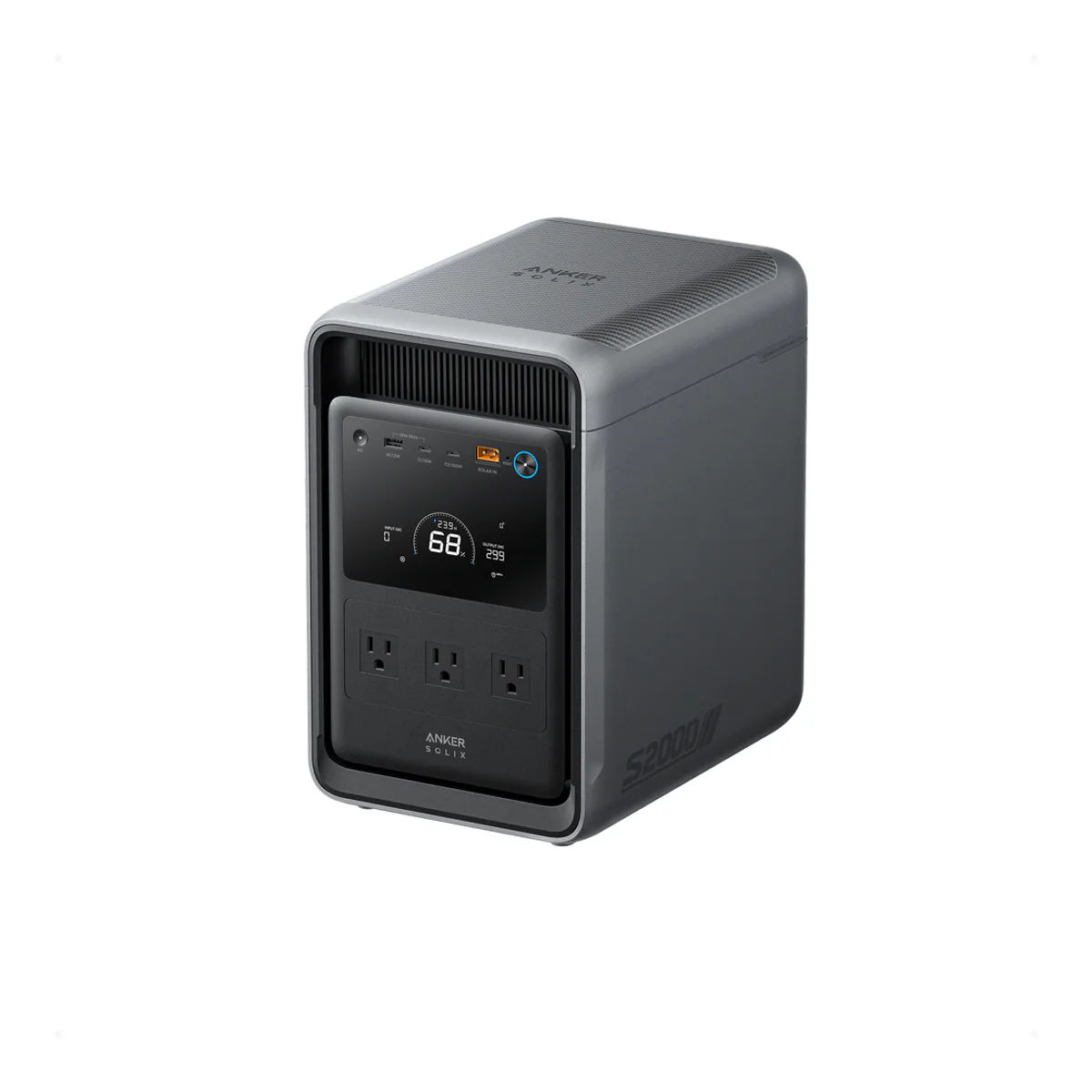
SOLIX S2000 Portable Power Station
2010Wh backed by a 5-year warranty, enough to run a fridge and lights for hours rather than minutes.
- 1500W continuous output, 3000W peak surge
- 2010Wh capacity, sized for refrigerator and lighting backup during an outage
- Recharges 0 to 100% in about 1.7 hours at a standard 20A outlet
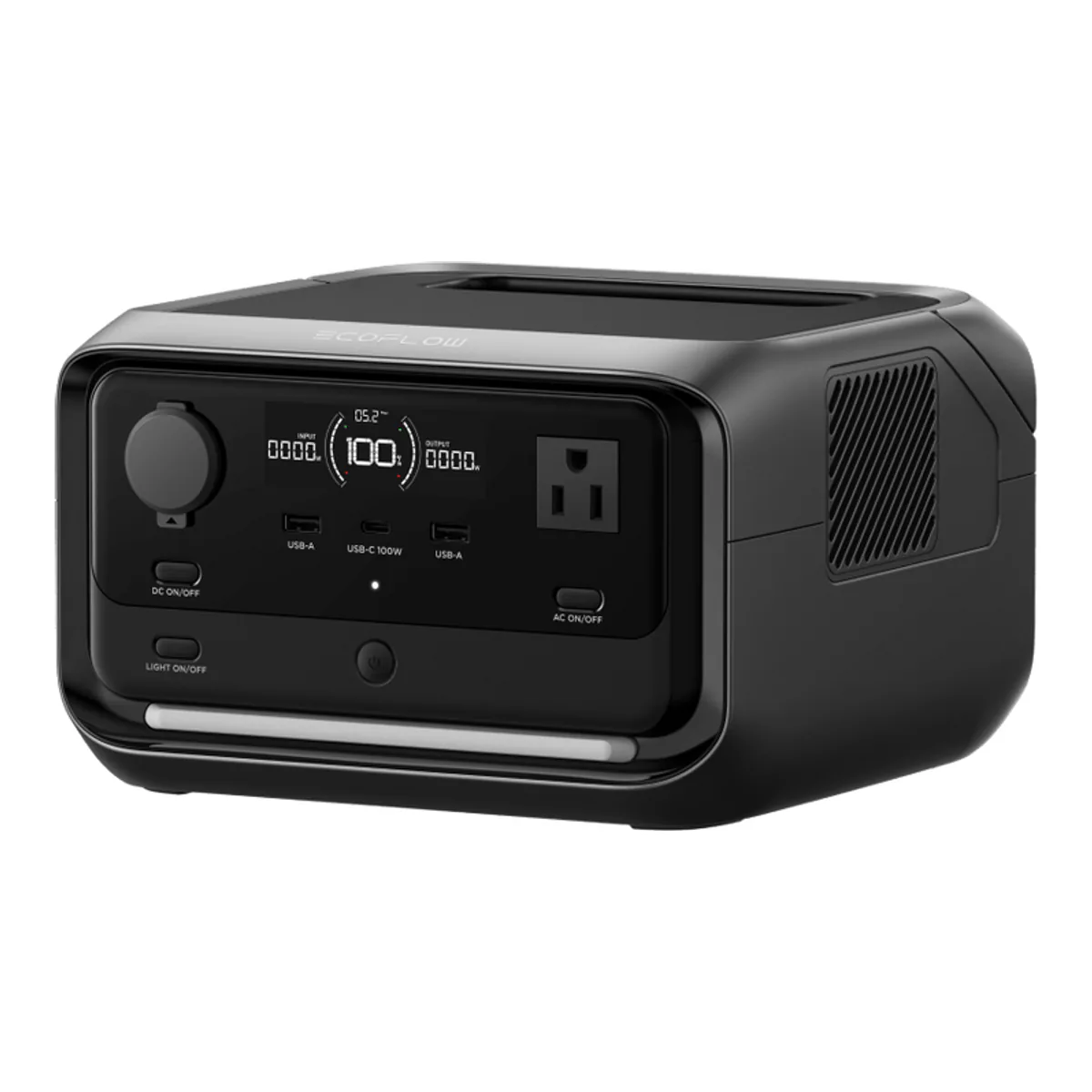
RIVER 3 Plus Portable Power Station
10.4 lbs and a 1-hour recharge, sized for phones, a fan and a light rather than a fridge.
- 600W continuous output, 1200W X-Boost surge
- Recharges 0 to 100% in about 1 hour via AC
- 10.4 lbs, sized to carry in one hand
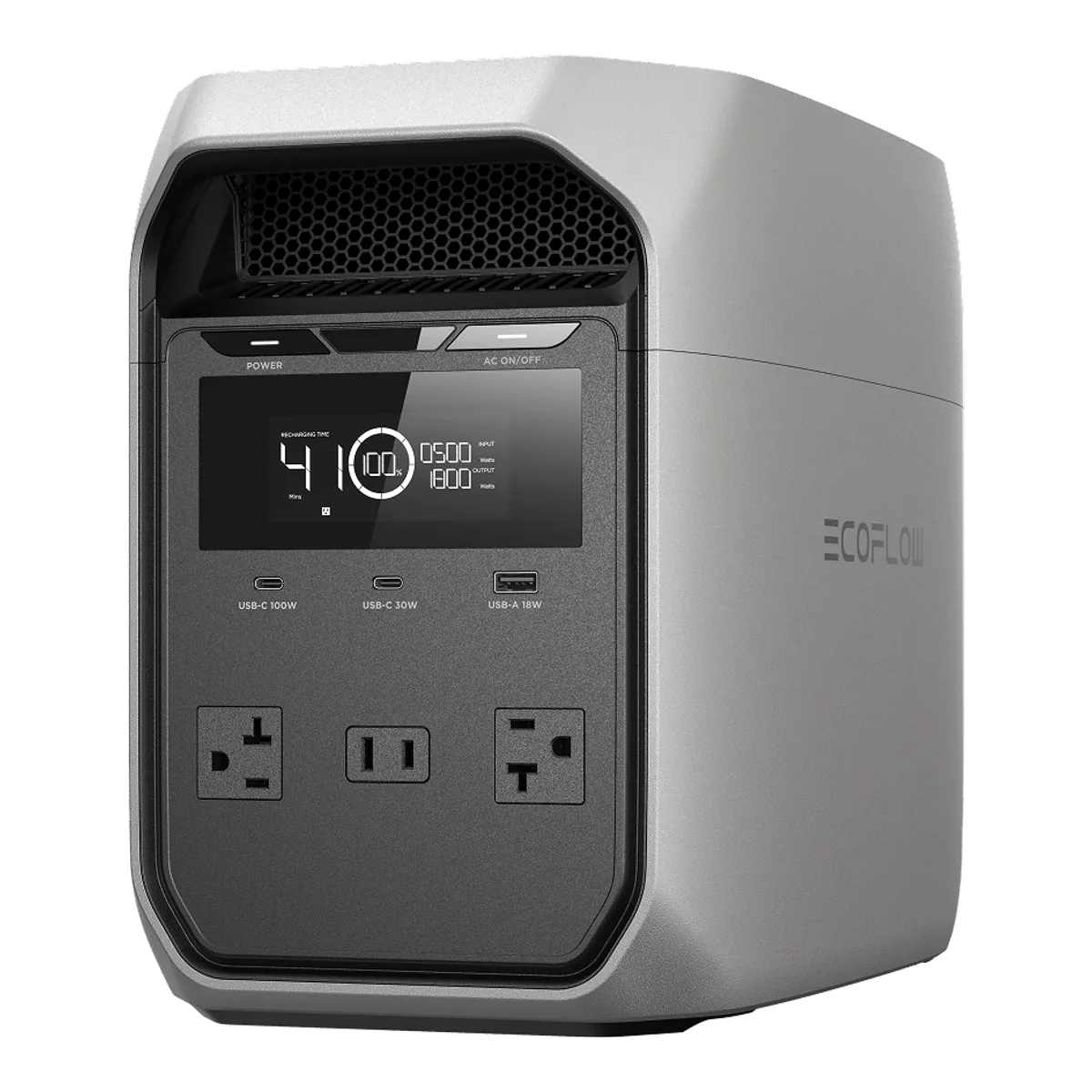
DELTA 3 Classic Portable Power Station
1024Wh for less than the Explorer 1000 v2 tier, with no 240V support and no battery expansion.
- 1800W continuous output, 2600W X-Boost surge
- Recharges 0 to 80% in 45 minutes via AC
- 500W max solar input
The number on the front of a portable power station box is almost always the wrong one. 3000W peak, 1500W continuous, printed big, and none of it says how long the thing actually runs anything. The number that decides whether your refrigerator survives a six-hour outage is the watt-hour rating in smaller print, and it varies by seven times across the four picks below.
That gap between output and capacity is the whole buying decision, whether you are shopping this as a solar generator for a cabin, a power station for camping, or a home backup power station for the next outage. Get the watt-hours wrong and the wattage number never mattered.
What this ranking is built on
Four manufacturer spec pages, four live listings checked the same day, and a named independent bench test for every pick: OutdoorGearLab and The Solar Lab put meters on these and published what came out. That is why the table below carries measured capacity next to rated capacity, and why the gap between them is in the text rather than smoothed over. Where a lab found the marketing number optimistic, the lab wins.
| Spec | Jackery Explorer 1000 v2 | Anker SOLIX S2000 | EcoFlow River 3 Plus | EcoFlow Delta 3 Classic |
|---|---|---|---|---|
| Capacity | 1070Wh | 2010Wh | 286Wh | 1024Wh |
| AC output | 1500W, 3000W peak | 1500W, 3000W peak | 600W, 1200W surge | 1800W, 2600W surge |
| AC recharge | 1.7 hours to full | 1.7 hours to full (20A outlet) | 1 hour to full | 60 min to full |
| Weight | 24 lbs | 35.7 lbs | 10.4 lbs | 26.7 lbs |
| Battery | LiFePO4, 4000 cycles to 70%+ | LFP, 6000 cycles to 80% | LiFePO4, 3000 cycles to 80% | LFP, cycles not published |
| Warranty | 3 years | 5 years | 5 years | 5 years (with registration) |
The Explorer 1000 v2 is the one to buy if this is your first power station
Jackery's Explorer 1000 v2 sits at the capacity most people actually need: enough to run a mini fridge through a several-hour outage, charge a laptop for a week of work-from-home, or power a CPAP for multiple nights, without the size or price of the units built for whole-home backup. It recharges 0 to 100% in 1.7 hours from a wall outlet, which matters more than the peak wattage number for anyone who is topping it off between uses rather than running it flat.
OutdoorGearLab metered 910Wh of the rated 1070, and the Solar Lab 87.5 percent. Both clocked a full recharge at 1.58 hours against the 1.7 Jackery quotes, which is the rare case of a product beating its own spec sheet. Both also flagged the same two limits: solar input stops at 400W, which the Delta 3 Classic on this page beats at 500W, and the battery is sealed with no way to add capacity later. We took the Explorer 1000 v2 apart on paper if you want the measured figures next to the marketing ones.
Skip it if you already know you want to add capacity down the road. Buy the size you will need in two years, not the size you need today, because there is no expansion pack coming for this one.
The SOLIX S2000 is the pick if the plan is a real outage, not a weekend trip
Anker's SOLIX S2000 nearly doubles the capacity of the Explorer 1000 v2 at about half again the weight, 24 lbs to 35.7, which is the trade a home backup power station is supposed to make. On paper 2010Wh covers a refrigerator and lighting for hours rather than minutes, and the 6000 cycle rating is the longest on this page by half.
A hands-on review flagged two honest annoyances: a single top handle makes a 35.7 lb box awkward to carry upstairs alone, and a new unit carries a noticeable plastic smell for its first few hours of use. Neither is a defect, both are worth knowing before it arrives.
Skip it if 2010Wh is more than your outage plan needs. That capacity is wasted weight for a car camping trip where the Explorer 1000 v2 or the River 3 Plus already covers everything you would plug in.
The River 3 Plus is the pick for a bag, not a breaker panel
EcoFlow's River 3 Plus answers a different question than the other three. Runtime is not really the point here; whether you will actually pick it up and carry it is. At 10.4 lbs with a 1-hour AC recharge, it is sized for phones, a fan, a string of lights and a laptop, not a refrigerator. The built-in light bar under the display is a small touch that matters more than it sounds, since it turns the unit into a lantern the moment the power actually goes out. Seven total outlets, three of them AC, is generous for something this size.
An independent load test found the advertised 1200W X-Boost surge did not hold up in practice, shutting off well below the claimed ceiling under a sustained load, and the two AC outlets sit close enough together that a bulky wall plug can block the second one. Worth knowing if you were counting on the surge rating for anything beyond light duty.
Skip it if a fridge or a CPAP with a humidifier is on your list, both a capacity and output class up from what 286Wh is built to do.
The Delta 3 Classic is the value play against the 1000Wh-class picks
EcoFlow's Delta 3 Classic lands in the same capacity tier as the Explorer 1000 v2, for a lower price, by cutting two things: there is no 240V circuit support, so a dryer, a well pump or central HVAC are off the table regardless of capacity, and the battery pack is sealed with no expansion path, same limitation as the Jackery. An independent reviewer rated it 8.2 out of 10 and called it the best budget entry point into EcoFlow's lineup for weekend campers and home-office backup, while cautioning it is not built for a multi-day, whole-home outage.
Skip it if you specifically need 240V output. Nothing on this page supplies it, so a dryer or a well pump means a different class of product rather than a different pick here. Skip it too if you already know one sealed battery will not cover your household's real draw, and size up to the SOLIX S2000 instead.
What actually decides how long a portable power station runs your stuff
Capacity in watt-hours divided by your device's draw in watts gives you the real runtime, and it is worth doing that math before comparing brands. A 600W microwave on a 1070Wh unit gets a little under two hours of actual run time, not the full day the box's wattage number implies.
Recharge time matters twice: once for topping off between uses, and again for whether the unit is useful mid-outage if the grid stays down past its first charge. None of the four here recharge from anything but AC power, a car outlet, or an optional solar panel sold separately, so a power station with no panel and no running car is a battery that runs out once and stays out.
Cycle life is the number that decides cost per year, not the sticker price. A battery rated for 3000 cycles to 80% capacity that gets recharged once a week will still be near full capacity after a decade. The same battery recharged nightly wears down several times faster. Warranty length does not track it: the Jackery carries the second-highest cycle rating here and the shortest warranty, while the River 3 Plus pairs the lowest with five years. Match the cycle rating to how often you actually expect to use it, not how it sounds on a spec sheet. A power station bought for one outage a year is a different purchase than one meant to replace a wall outlet on a job site every day.
None of these four ships with a solar panel included. If the plan is an outage that outlasts a single charge, budget for a compatible panel in the same purchase, because "solar ready" and "solar included" are not the same line item.
One of these four has its own page now and the other three are still to come.
If none of them is large enough, the next question is not a bigger battery. It is whether a generator is the right machine for the outages you actually get, which is a different purchase with a different way of failing you.
Everything else we have verified sits on the power station shelf.